
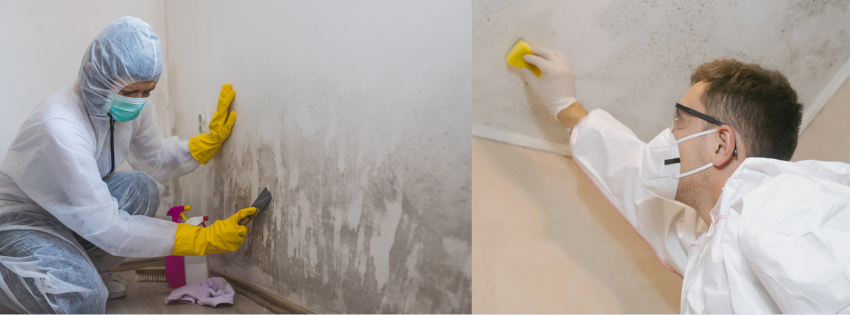
Mold is a microscopic organism belonging to the fungi group, commonly found in homes. It can grow almost anywhere with suitable conditions: organic materials (wood, plaster, paper), moisture, and oxygen. Mold not only damages home structures but can also negatively affect health.
Causes of Mold Growth
Mold thrives when favorable conditions, particularly sufficient moisture, are present. Sources of moisture can include condensation, leaks from damaged pipes, or even daily activities like cooking, bathing, or drying clothes indoors. Without adequate ventilation, moisture accumulates on surfaces like cold walls, mirrors, and window frames, creating a breeding ground for mold.
Consequences for Homes and Health
Mold can damage any surface it grows on by using organic materials as food. Over time, it not only ruins walls, ceilings, or furniture but also releases microscopic spores into the air that can cause serious health problems. Some spores are toxic, containing mycotoxins that can trigger allergic reactions or even neurological disorders.
Individuals with weaker immune systems, elderly people, or children are especially vulnerable. They may experience respiratory issues, allergic reactions, headaches, or other health problems associated with prolonged exposure to mold.
Mold Prevention
To prevent mold, it’s important to control sources of moisture in the home. Here are some key preventive measures:
- Identify sources of moisture – Check your home for leaking windows or pipes. Damaged seals around windows can allow moisture to seep indoors.
- Ensure proper ventilation – Maintain adequate ventilation, especially in bathrooms and kitchens. Open windows or use ventilation systems to remove excess moisture.
- Use a humidity meter – Monitor the humidity levels in your home using a humidity meter. The optimal indoor humidity level is between 30–60%.
- Avoid condensation – Quickly wipe away moisture droplets from walls and windows, especially after bathing or cooking.
- Use dehumidifiers – Invest in a dehumidifier to reduce indoor humidity to optimal levels. These are especially useful in poorly ventilated areas like bathrooms, basements, or rooms used for drying laundry.
Mold Removal
If mold has already appeared, it’s essential to act quickly. Small mold infestations can be cleaned with mild cleaning solutions, but you must take precautions to avoid contact with spores:
Wear protective gear – Use safety goggles, long rubber gloves, and a mask covering your nose and mouth.
Use a soap and water solution – Gently clean affected areas with a mild soap and water solution. Avoid scrubbing to prevent spore dispersal.
Use specialized mold removal chemicals – Various mold removal products, with or without chlorine, are available in stores. Read instructions carefully and use protective gear, as these products can damage walls, furniture, or harm your health. Chlorine-based products may emit strong odors, requiring thorough cleaning and ventilation afterward.
Dry surfaces – After cleaning, ensure surfaces are thoroughly dried to prevent mold from returning.
Severe mold infestations, particularly black mold (Stachybotrys chartarum), require professional help. This type of mold is highly dangerous to health and should not be removed independently.
To prevent mold from returning, it’s vital to resolve the moisture issue. This may involve improving ventilation, fixing window seals, and promptly drying damp areas. If the moisture source cannot be eliminated, professional mold remediation solutions or specialized ventilation systems may be necessary.
Mold can not only harm your home but also cause serious health problems. Prevention is the key to avoiding mold, while proper ventilation and moisture control will help maintain a healthy environment in your home.