
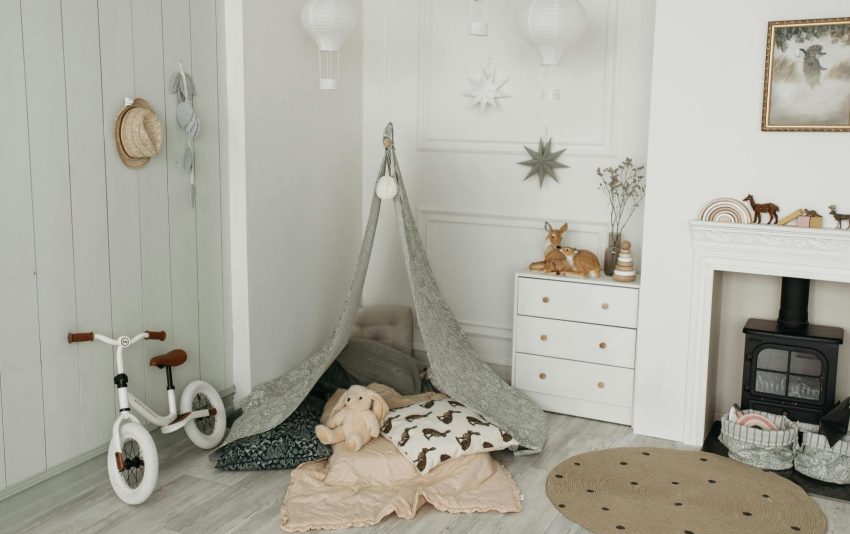
Every child needs their own space – a cozy corner where they can play, relax, and learn. The best solution is to dedicate one of the apartment’s rooms to the child if possible. The parents’ task is to furnish the child’s room in the best possible way to ensure that the child feels safe and comfortable there – a place they want to return to and spend their time. Here are a few tips to help you achieve this, with just a bit of effort and creativity.
1. Choose the Best Room Location
Ideally, the child’s room should face east or southeast, as morning sunlight is the most beneficial. It helps the child wake up, activates metabolism, stimulates the immune system, and aids in vitamin D production, which is crucial for calcium absorption and healthy physical development. If the room faces west, the lighting will be unnatural – dim during the day and overly bright in the evening from the setting sun.

2. Plan the Layout Carefully
The arrangement of the room should depend on the child’s age and gender. However, every child’s room should include a relaxation corner, storage areas, and space for play. For school-aged children, add a study area. You can divide the room into zones using partitions, furniture, or wall decor. If the room is shared by two or three children, it’s essential to create a personal space for each child, where they feel secure and can engage in individual activities.
3. Ensure Proper and Varied Lighting
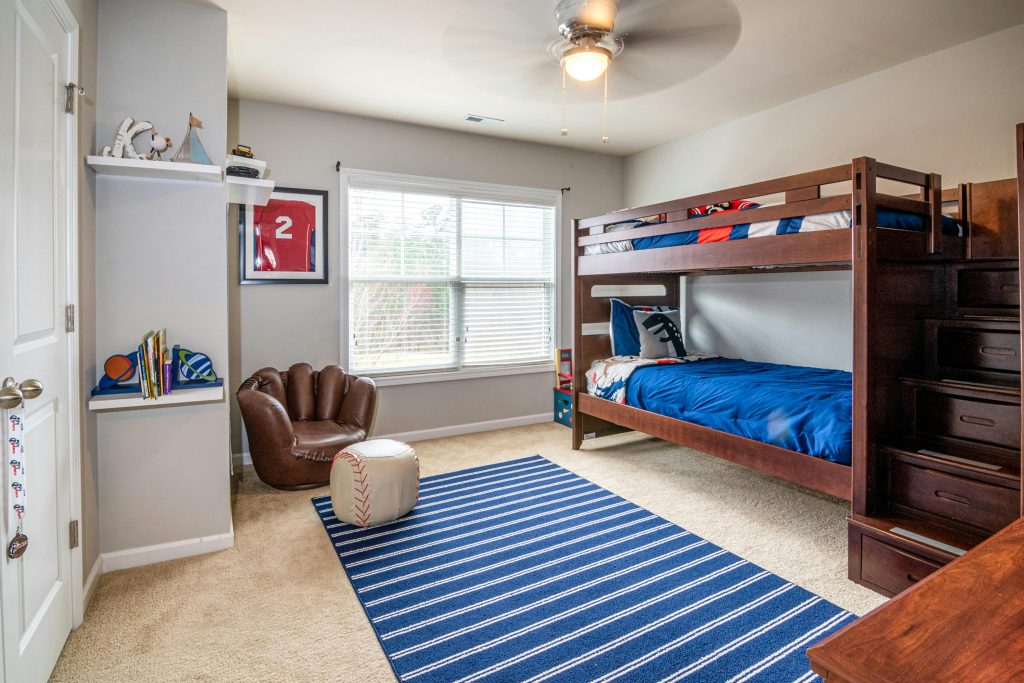
Lighting in a child’s room usually includes a central ceiling light, additional lights for specific areas, a desk lamp, and night lighting. The study area requires the most attention: the desk should be evenly lit, and the desk lamp should be positioned to avoid glare. For right-handed children, light should come from the left, and for left-handed children, from the right.
4. Select the Right Color Palette
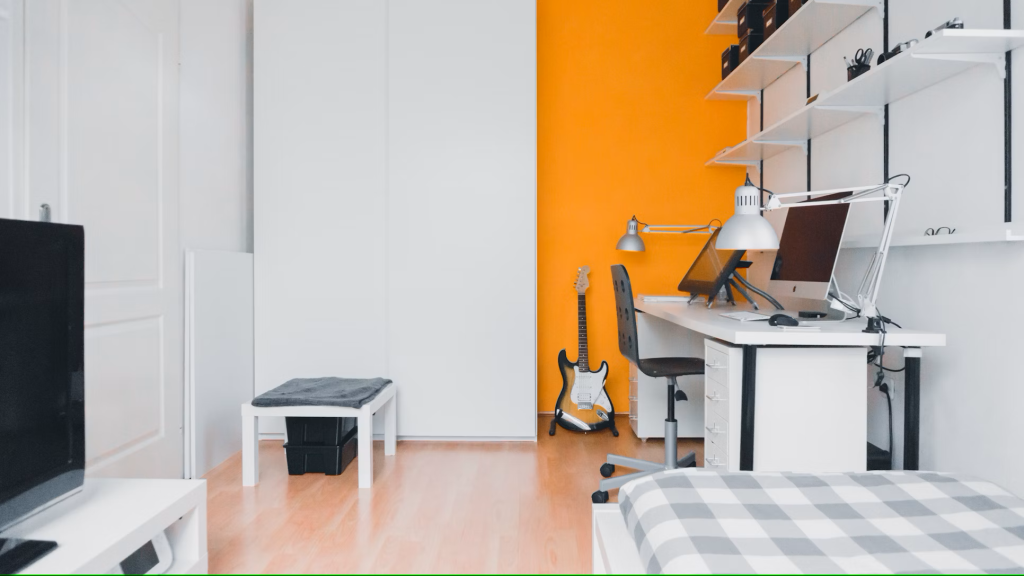
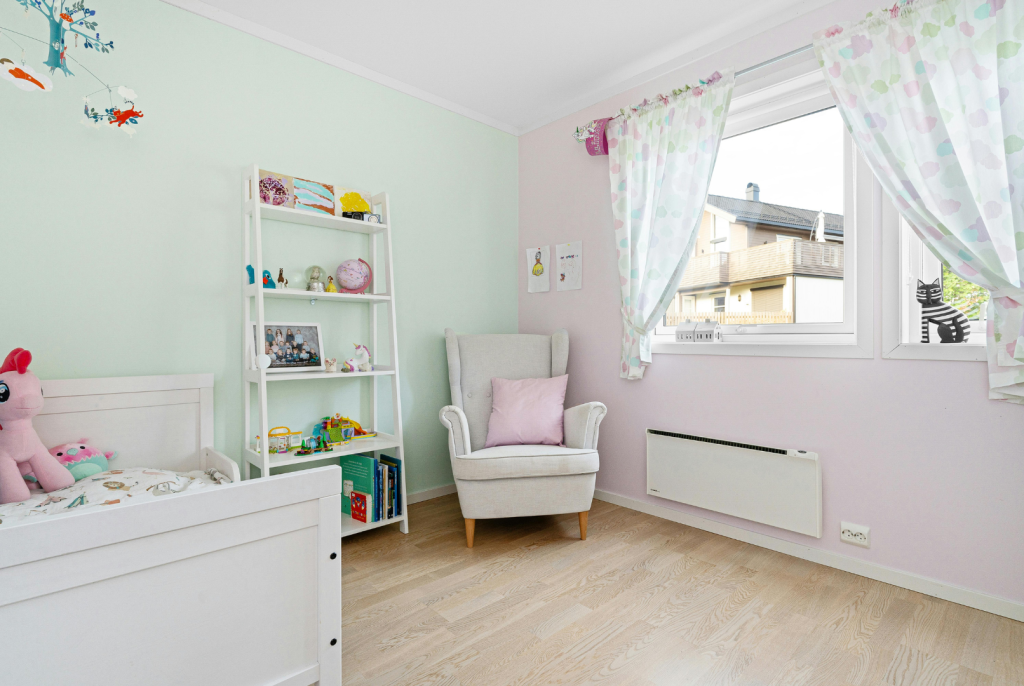
The color scheme of the room affects a child’s psychology and vision development. Choose soft pastel tones for a calming atmosphere and add bright accents for visual stimulation. Avoid excessive red, as it can overstimulate the nervous system and cause restlessness. Yellow calms fussy children, orange fosters creativity and reduces fear, green inspires learning and curiosity, while blue and light blue soothe and are great choices for bedding.
5. Choose High-Quality Furniture
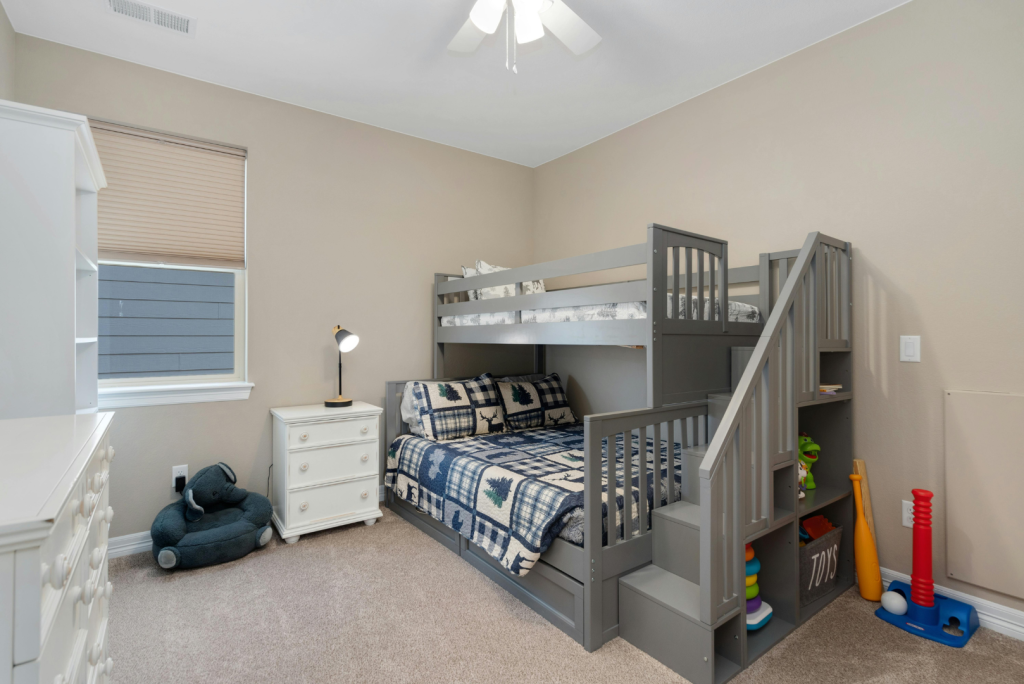
Furniture should be comfortable, age-appropriate, practical, safe, and eco-friendly. Avoid sharp edges, poorly secured parts, or hazardous elements. Opt for rounded corners and multifunctional furniture like adjustable-height desks, beds that grow with the child, or bunk bed complexes with built-in desks and storage. Ergonomic furniture with proper support helps promote healthy posture and physical development
6. Follow Safety Guidelines
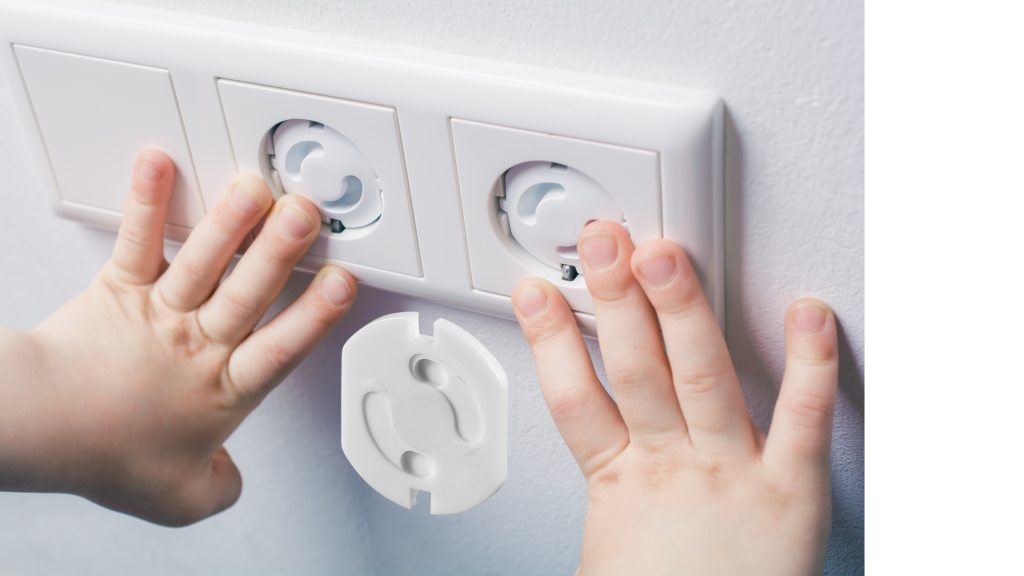
Ensure the room is childproof. Avoid placing the bed near heating devices, or cover them with protective screens. Windows should open vertically to prevent accidents, and reliable locks or restrictors should be installed. Avoid placing furniture near windows that could allow a child to climb onto the windowsill. Cover sharp furniture edges, use plug covers for electrical outlets, and hide cables. Secure heavy furniture to walls to prevent tipping, and avoid installing shelves above the bed.
7. Install Soundproofing
Soundproofing is essential to protect the child from stress caused by noise. Use noise-insulating windows, acoustic panels for walls and ceilings, and floating floors with a layer of elastic insulation to reduce impact noise. Acoustic stone wool panels are an excellent choice for walls, ceilings, and partitions, providing sound absorption, durability, and eco-friendliness. This will ensure the child can play on the floor without disturbing the household or neighbors with excessive noise.
By implementing these tips, you can create a safe, comfortable, and inspiring space for your child to thrive and grow.