
Hot air fryers are relatively new players in the kitchen scene, but they’ve quickly captured attention—and space—in many homes. Promising tasty, quick, and healthier dishes, they seem like a great solution for busy cooks. But are hot air fryers truly a healthy cooking method, or just another kitchen trend you’ll soon regret dedicating countertop space to?
To answer this, let’s first explore how air fryers actually work. Unlike traditional deep frying, which immerses food in hot oil, air fryers use hot air circulation to cook food. This hot air rapidly surrounds the food, creating a crispy, golden crust similar to traditional frying. Inside, an electric heating element and fan work together to circulate hot air at around 200°C.
Food cooked in an air fryer usually needs only a thin coating of oil. The intense heat triggers the Maillard reaction—a fancy name for the process that makes food tasty, aromatic, and browned—using minimal oil. This gives air-fried food its signature crunch without the greasy aftermath.
Most air fryers have handy temperature and timer settings, making it easy to cook precisely. Food goes into a special basket above a tray that catches excess fats and drippings. Air fryers typically heat up in less than five minutes, and because of their small size and intense heat, they often cook faster than regular ovens. An added bonus: air fryers tend to produce fewer harmful substances, like acrylamide, which can form during traditional frying.
Technically, air frying is more like baking with hot air than actual frying, but it’s significantly healthier—reducing fat content by as much as 80%. For those who frequently enjoy fried foods, switching to an air fryer can make a big difference in calories and fat consumed.
Picking the Right Air Fryer
Before you invest in an air fryer, think about your household size and cooking habits. For smaller families or couples (1-2 people), an air fryer with a capacity of 4.5 to 6 liters usually does the job. For slightly bigger households (2-4 people), opt for a model with at least an 8-liter capacity. Many users find that once they get a smaller model, they eventually upgrade to a bigger one anyway.
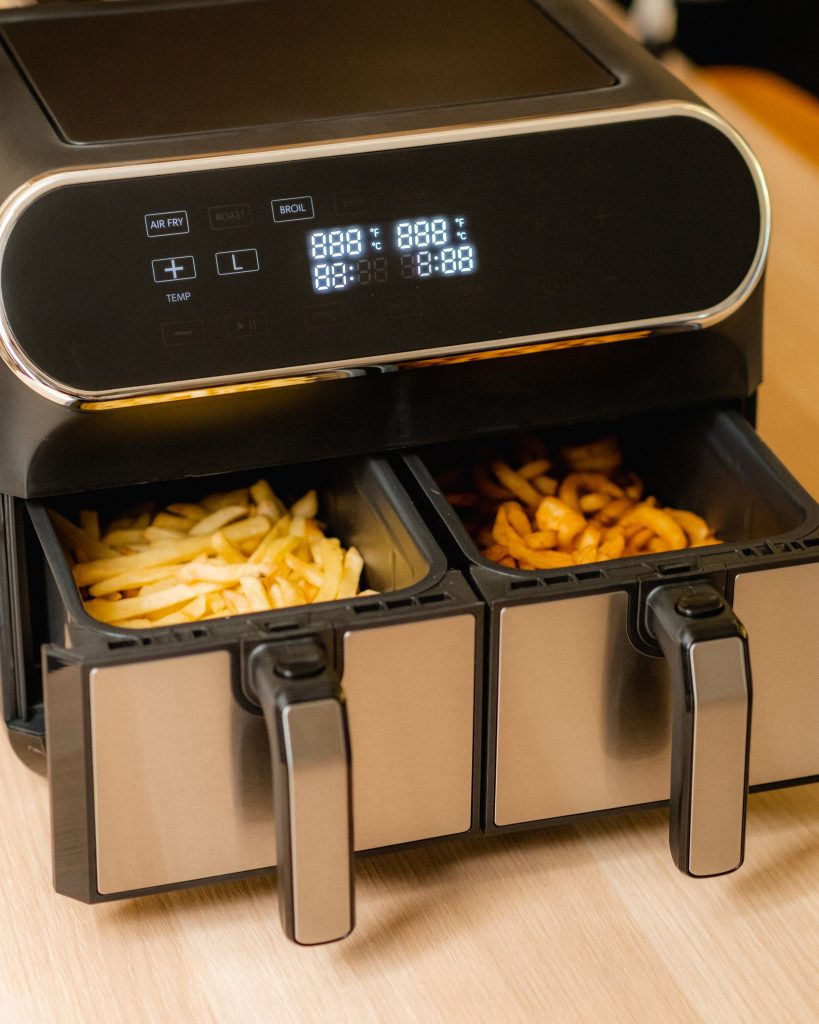
If you cook frequently or love multitasking, consider models with two compartments. These let you prepare two dishes—say, meat and veggies—simultaneously. You can set them to start at the same time, or stagger their cooking times so everything finishes together. If you’re preparing smaller meals, simply use one compartment to save energy.
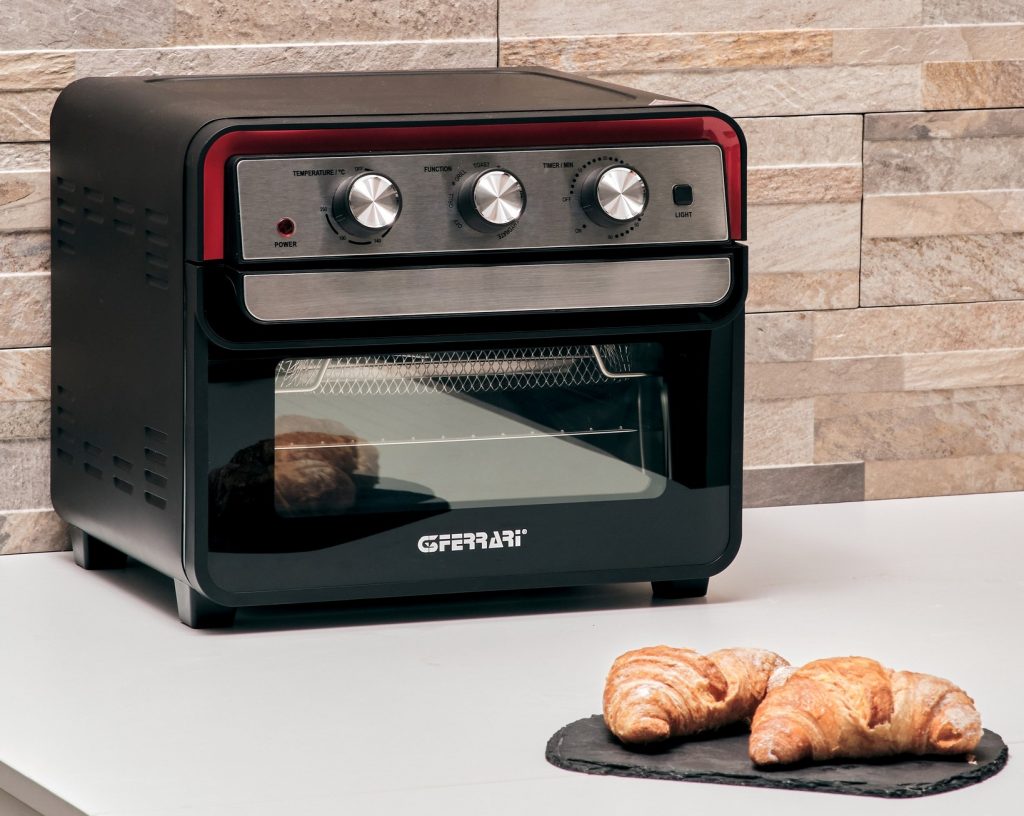
For the truly enthusiastic home chefs, air fryer ovens are worth checking out. These larger models have capacities up to 25 liters and look like mini-ovens, offering even more powerful and efficient air circulation. They’re perfect for roasting whole chickens or cooking large batches at once. Many come with accessories like baking trays, skewers, rotating drums, and special frying baskets, expanding their versatility in the kitchen.
Advantages of hot air fryers
Air fryers are quick, convenient, and great for lower-calorie cooking. They’re easy to clean, require minimal supervision, and some advanced models even feature additional settings, like food dehydration. Plus, they’re generally energy-efficient, so you won’t see a significant spike in your electricity bills.
Disadvantages of hot air fryers
On the downside, air fryers aren’t ideal for foods coated with wet batter, as the batter tends to puff up and create a mess. Larger items like whole chickens can cook unevenly, and bacon may cause messy grease splatters. Cheese melts quickly without turning crispy, and raw rice, grains, and pasta cook unevenly. Leafy vegetables tend to fly around inside, broccoli can dry out, and crumb-heavy foods can leave a messy basket. Unfortunately, air fryers typically aren’t hot enough for popcorn either.
Final Verdict
Ultimately, whether an air fryer is a good addition to your kitchen depends on your personal cooking needs, space available, and lifestyle. With models priced anywhere from €50 to over €500, there’s an option for everyone. Whether it’s a passing trend or a kitchen essential is entirely up to you!