
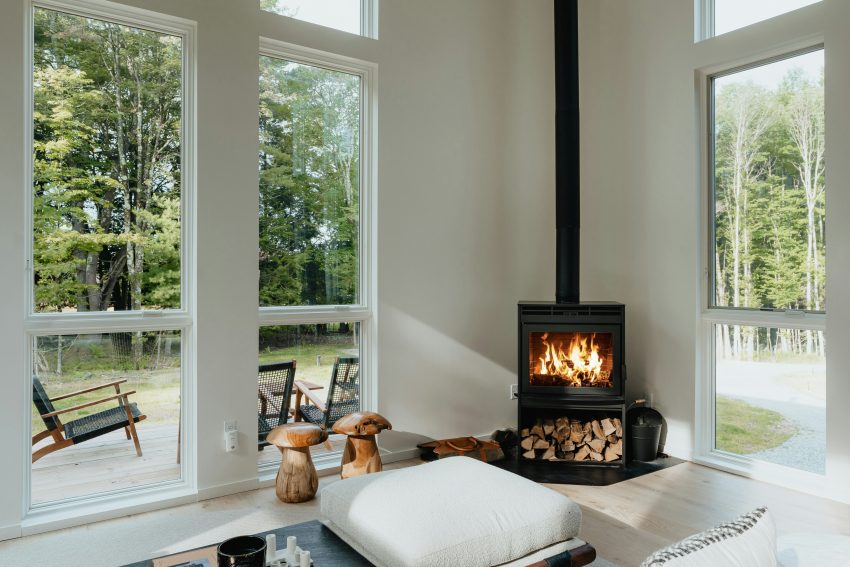
A fireplace is more than just a source of warmth. It adds coziness, style, and can even become a centerpiece of your home’s interior. However, when choosing a fireplace, the question arises: which is better – wood-burning or electric? These two types of fireplaces differ not only in their heating methods but also in maintenance, installation, and overall operation. Let’s explore the advantages and disadvantages of each to help you decide.
Wood-Burning Fireplaces: Tradition and Authenticity
A wood-burning fireplace fills your home with the warmth of real fire, creating an authentic and cozy atmosphere. While it is undeniably the more traditional choice, it also comes with certain challenges.
Advantages:
- Real Flames: Nothing can replace the warmth and glow of real flames. A wood-burning fireplace creates a natural coziness, especially during cold winter evenings.
- Independence from Electricity: These fireplaces are an excellent solution for rural areas or places with frequent power outages. They operate entirely independently of the electrical grid.
- Eco-Friendliness: When equipped with a secondary combustion system and using high-quality dried firewood, this heating method can be environmentally friendly, emitting minimal CO2.
Disadvantages:
- Chimney Requirement: A wood-burning fireplace requires a chimney and proper ventilation, making installation more complex and costly.
- Cleanliness: Burning wood produces ash, smoke, and soot, necessitating regular maintenance. An improperly maintained chimney can also pose a fire hazard.
- Firewood Storage: You need to ensure a constant supply of firewood and store it properly to keep it dry and ready for use.
- High Initial Costs: Installing a wood-burning fireplace and chimney can be up to 10 times more expensive than an electric fireplace.
- No Remote Control: Operating this type of fireplace requires manual effort; you can’t activate it remotely.
- No Automation: It won’t turn on at a scheduled time—you’ll need to do it yourself.
Electric Fireplaces: Comfort and Modernity
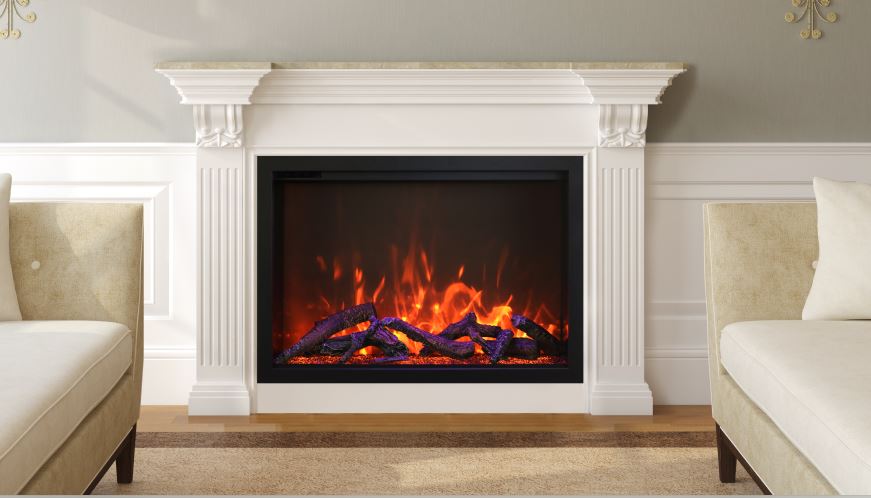
Electric fireplaces are gaining popularity due to their simplicity and versatility. With advancing technology, it’s becoming increasingly difficult to distinguish them from wood-burning fireplaces. They can be installed almost anywhere and don’t require a chimney or ventilation. But can they provide the same cozy feel as a wood-burning fireplace? It depends on your preferences and requirements, but cost and installation differences may influence your decision.
Advantages:
- Easy Installation: Electric fireplaces can be installed in nearly any room. They don’t require a chimney or permits, making them quicker and cheaper to set up.
- Low Maintenance: Since electric fireplaces don’t burn solid materials, they don’t produce ash, soot, or smoke, ensuring a cleaner and simpler operation.
- Affordable Pricing: Electric fireplaces start at a few hundred euros, depending on the model and features, making them more accessible for most households.
- Remote Control: Modern technology allows you to control electric fireplaces remotely via smartphone apps or computers.
- Scheduled Operation: Wake up at 6 AM? No problem. Like many other electric appliances, you can set your electric fireplace to turn on at 5 AM, ensuring a warm and cozy environment when you wake up.
Disadvantages:
- Dependence on Electricity: An electric fireplace only works as long as there’s a power supply, making it less suitable for areas with frequent outages or limited power availability.
- Artificial Flames: While modern electric fireplaces can mimic the effect of flames, they can never replicate the ambiance of a real wood-burning fire. For many, this is a significant drawback.
Costs and Expenses
One of the most important criteria when choosing a fireplace is the cost. Wood-burning fireplaces are significantly more expensive due to the complex installation process and the need for a chimney. In contrast, electric fireplaces are more budget-friendly, with prices starting from €200–€300, though they can go higher depending on design and functionality.
However, you should also consider operating costs. Wood-burning fireplaces require a constant supply of firewood, while electric fireplaces consume electricity. Consider which option will be more cost-effective in the long run based on your usage habits.
Which One to Choose?
When deciding between a wood-burning and an electric fireplace, the key factors are your personal needs and lifestyle. If you’re looking for the traditional warmth of real fire and independence from electricity, a wood-burning fireplace is for you. However, if you prioritize convenience, low maintenance, and affordability, an electric fireplace is the better choice.
Both types have their pros and cons, so your decision will depend on your lifestyle, aesthetic preferences, and heating needs. Consider how often you’ll use the fireplace, the atmosphere you want to create, and the technical requirements of your home. This way, you can choose the perfect option to enhance the warmth and comfort of your home.